
Skip links

Internet Archive


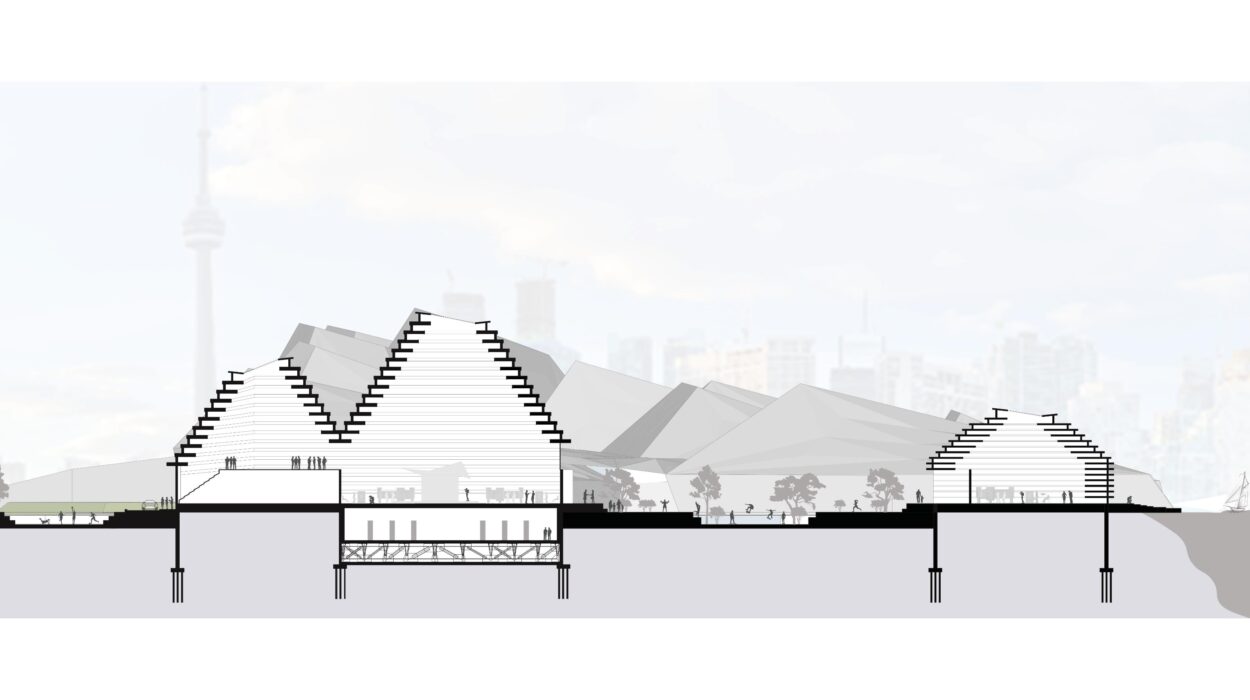
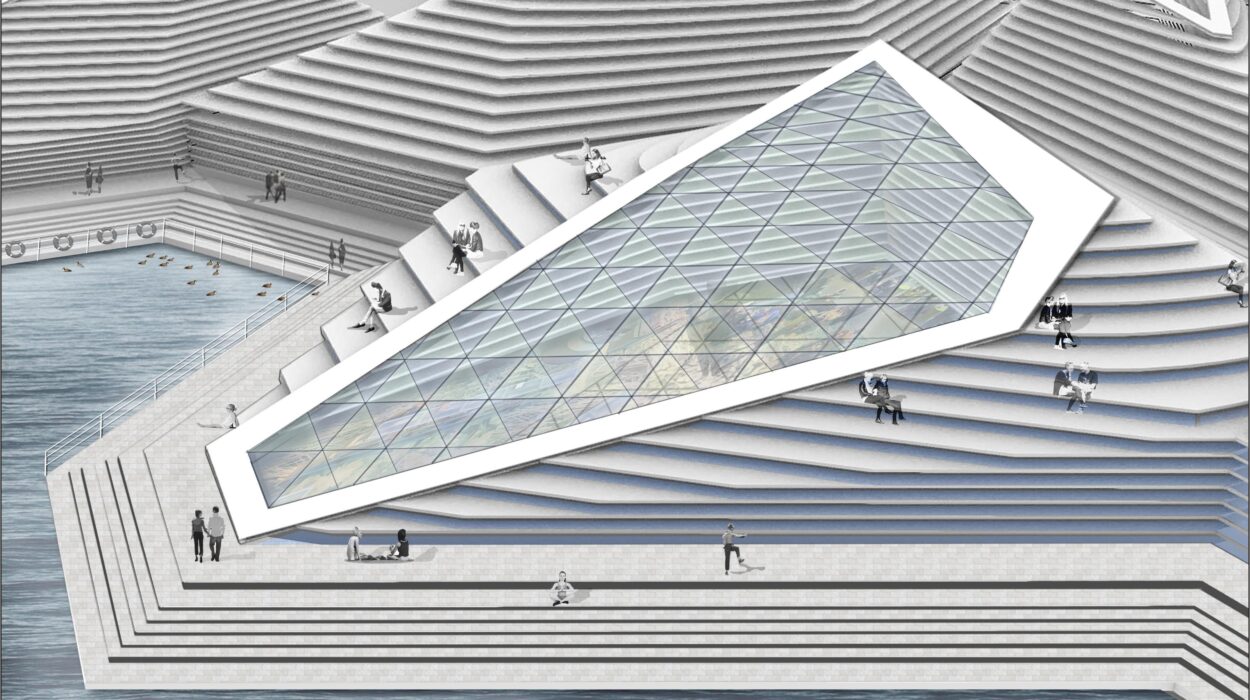
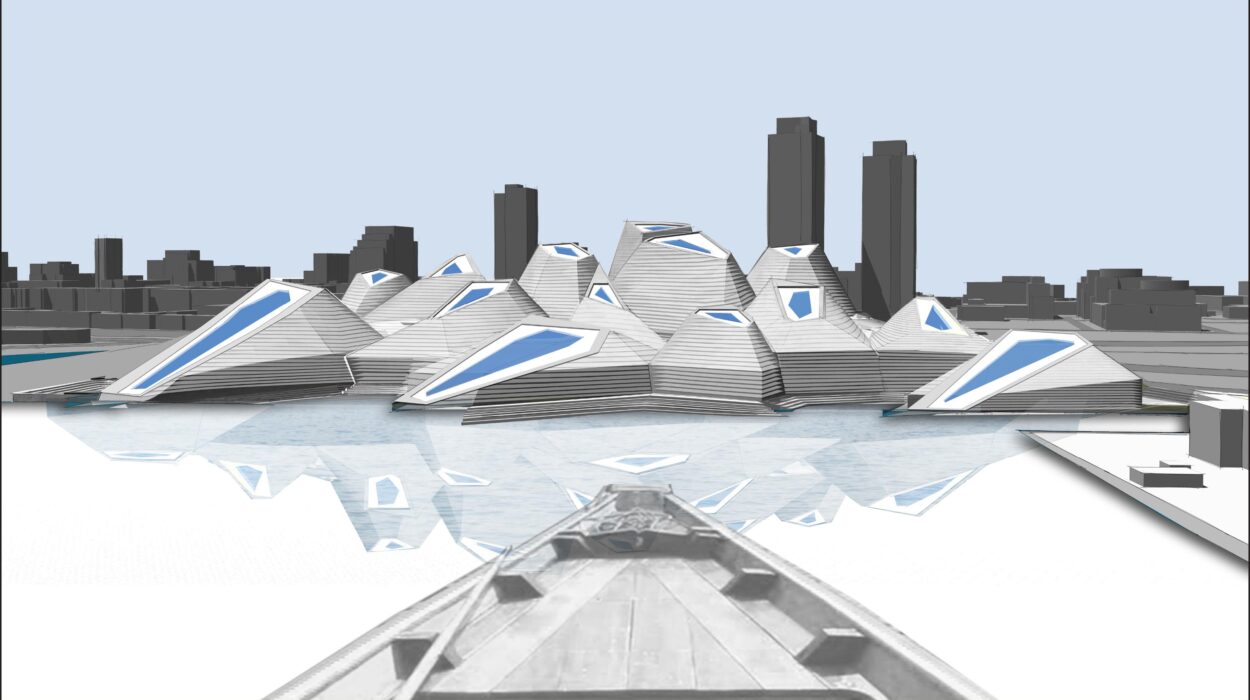
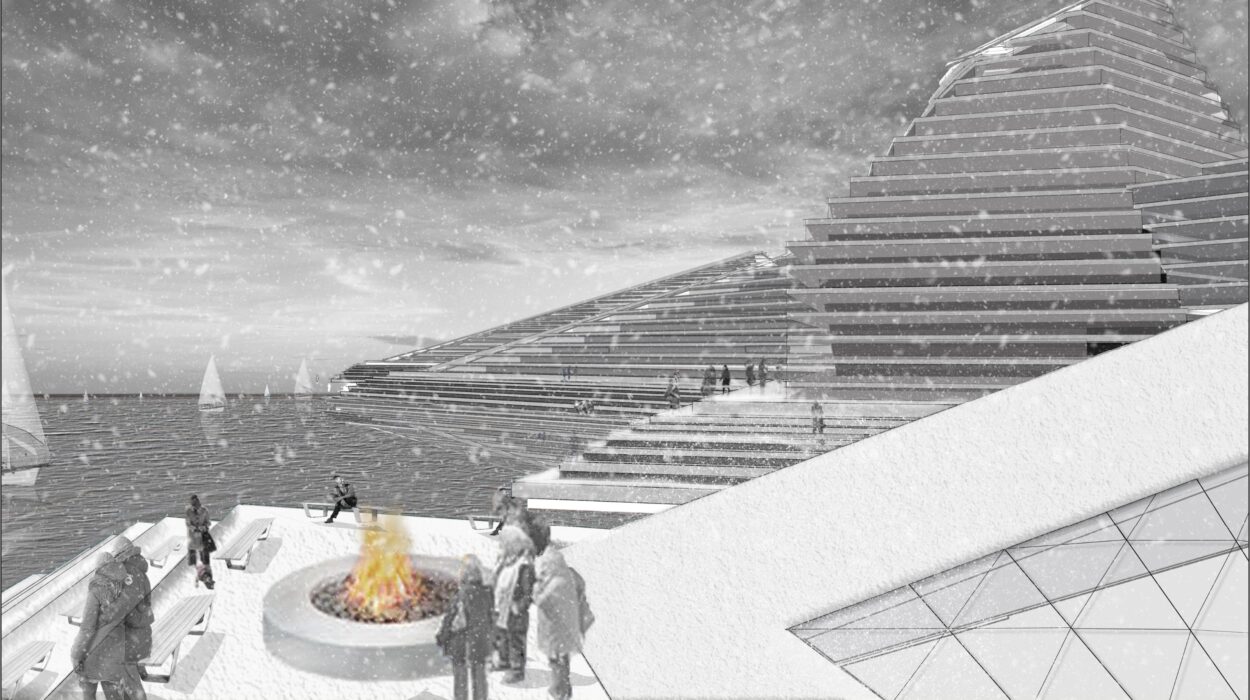
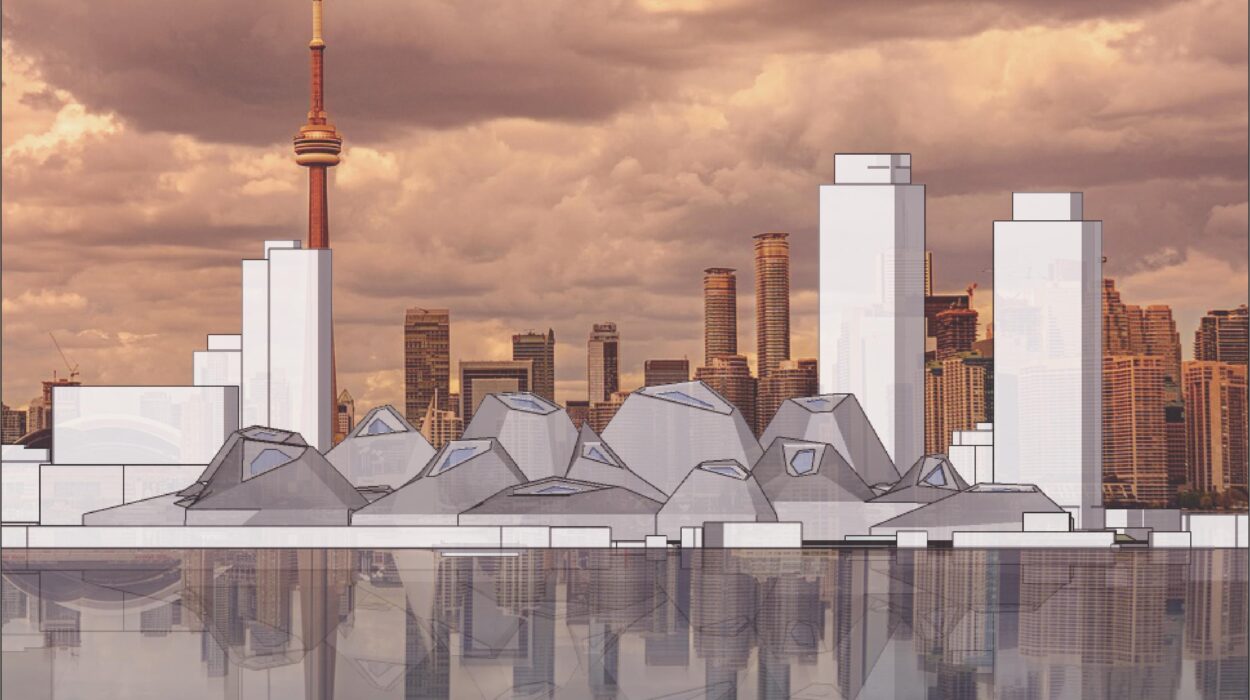
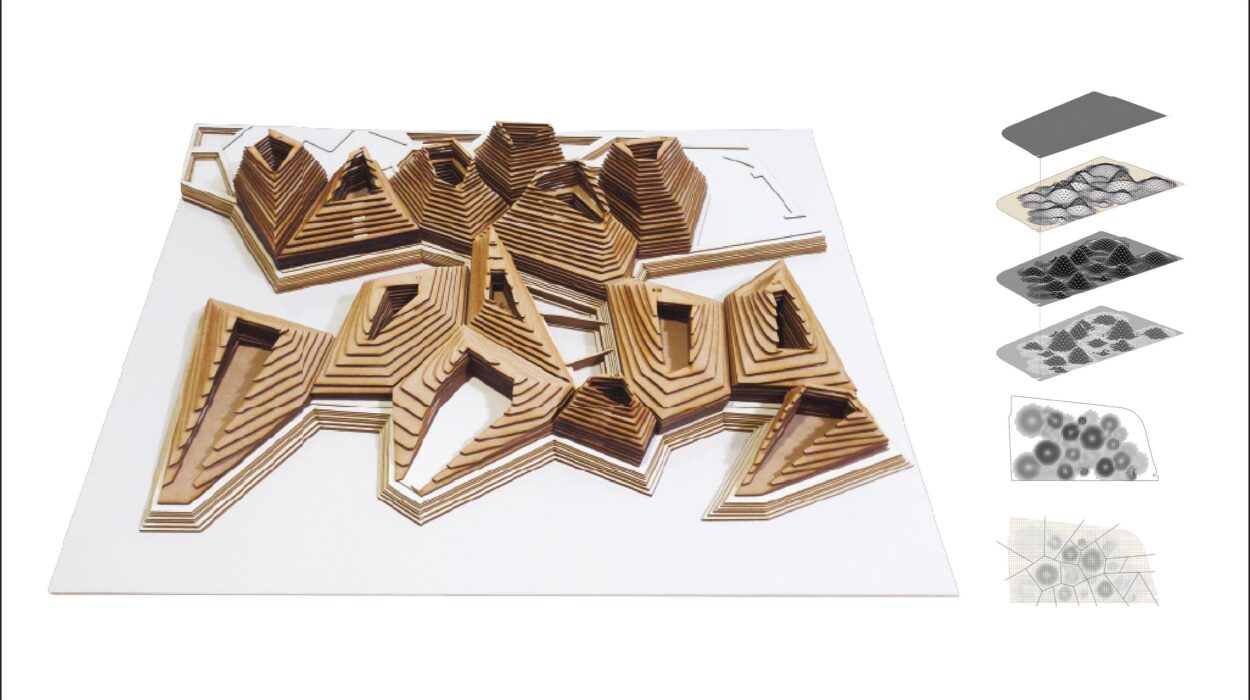
The International Internet Archive in Canada is a visionary design competition project completed in May 2024. Conceived as a people‑centric building, it bridges the digital and physical worlds by offering a universal platform for knowledge sharing and social interaction. The design reflects a playful balance between work and recreation, with dynamic built forms inspired by “emerging islands.” Positioned along Toronto’s riverfront, the archive integrates water and green spaces into its architecture, creating an inviting environment that fosters community engagement. With its innovative facade of silver steel and glass, noise‑controlled interiors, and luminous natural light, the building redefines the concept of an archive as both a knowledge hub and a social destination.

Client

Design Competition

Role

Design & BIM Consultancy
Date
January – May 2024
Status
Completed

Client Objective

The client envisioned a public‑oriented archive that would serve as both a repository of information and a social platform. The goal was to create a landmark building that encourages universal access to knowledge, fosters productive social interactions, and revitalizes Toronto’s waterfront as a space for community connection.

Our Strategy

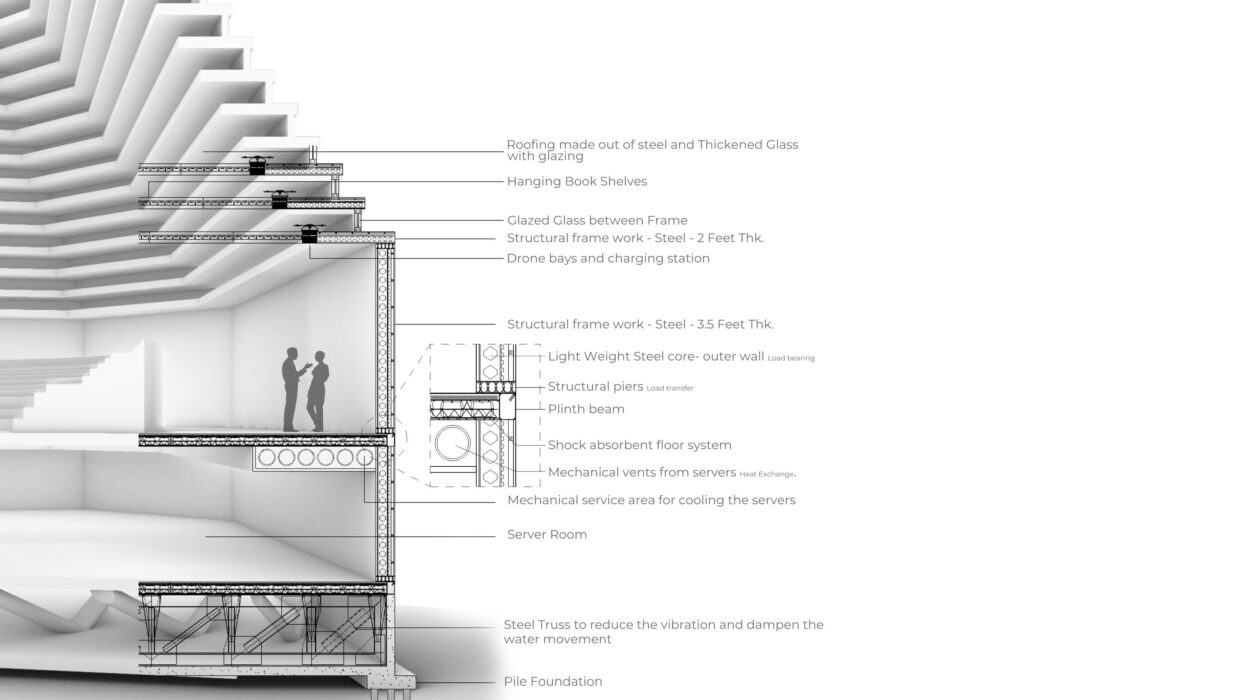
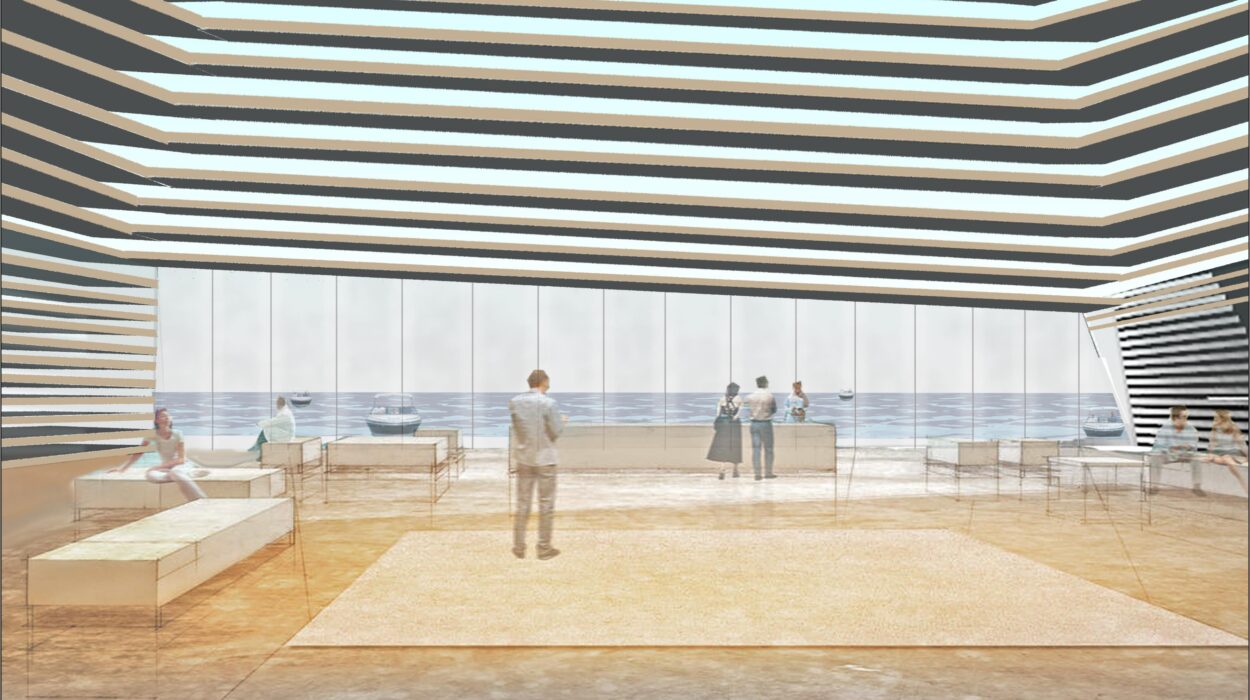
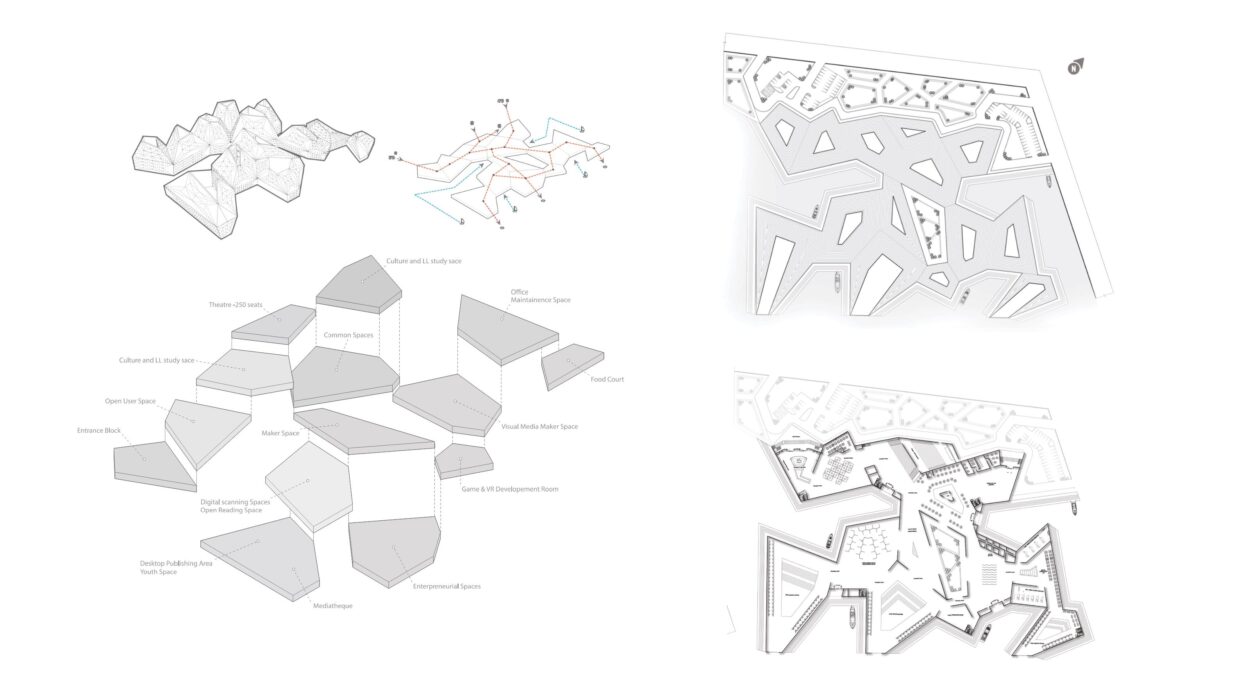
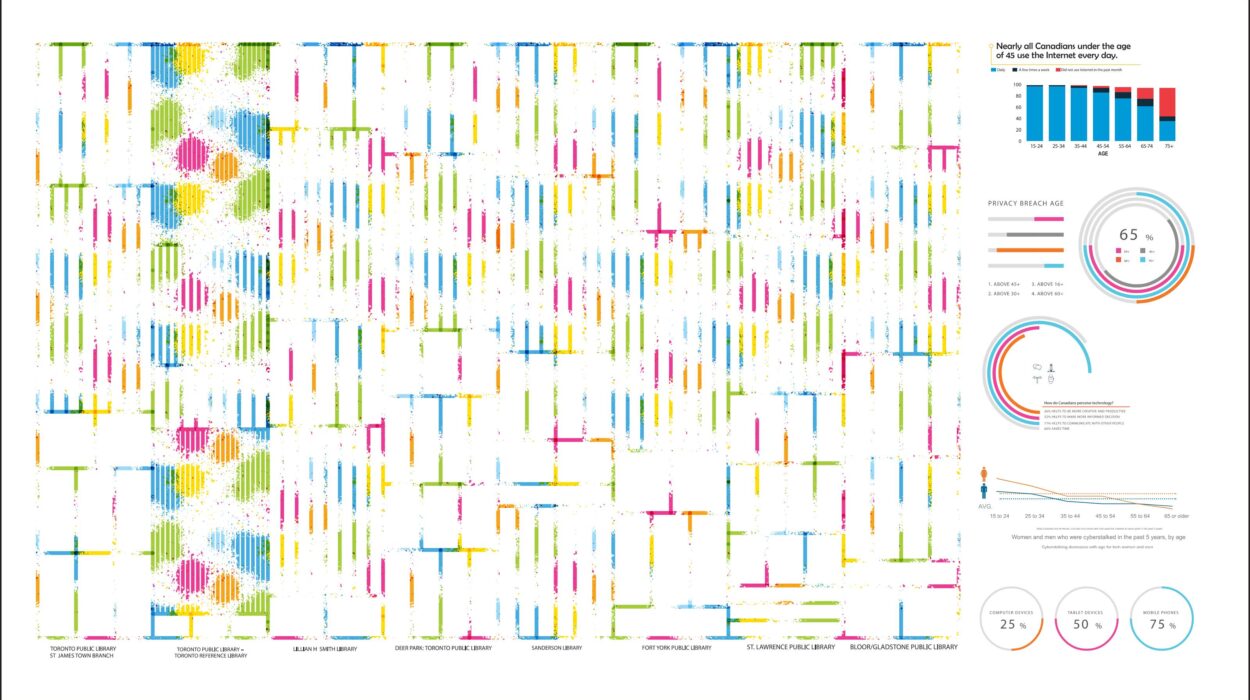
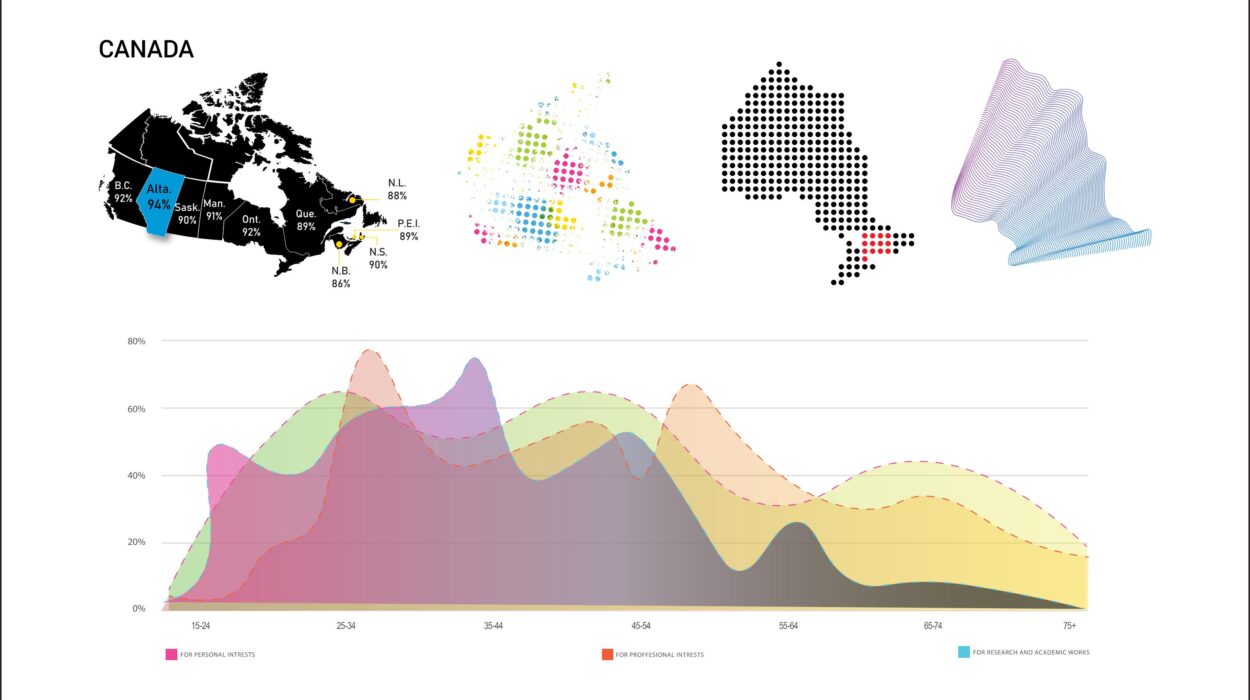
Our approach combined research into global library typologies with site‑specific design innovation. Using a 3D bubble diagram as the foundation, we developed a form that resembles islands spread across the site, symbolizing interconnected knowledge hubs. The architecture integrates active and passive zones, balancing reading areas with social gathering spaces. Natural light, resin cores for acoustic control, and sustainable cooling through water integration were key design elements. By weaving green spaces and waterfront access into the plan, we created an evocative journey for visitors — from city to river — while ensuring the building remains open, inviting, and inclusive. The result is a landmark that embodies freedom, comfort, and accessibility, redefining Toronto’s social mobility through architecture.

This website uses cookies to improve your web experience.
Explore
Drag